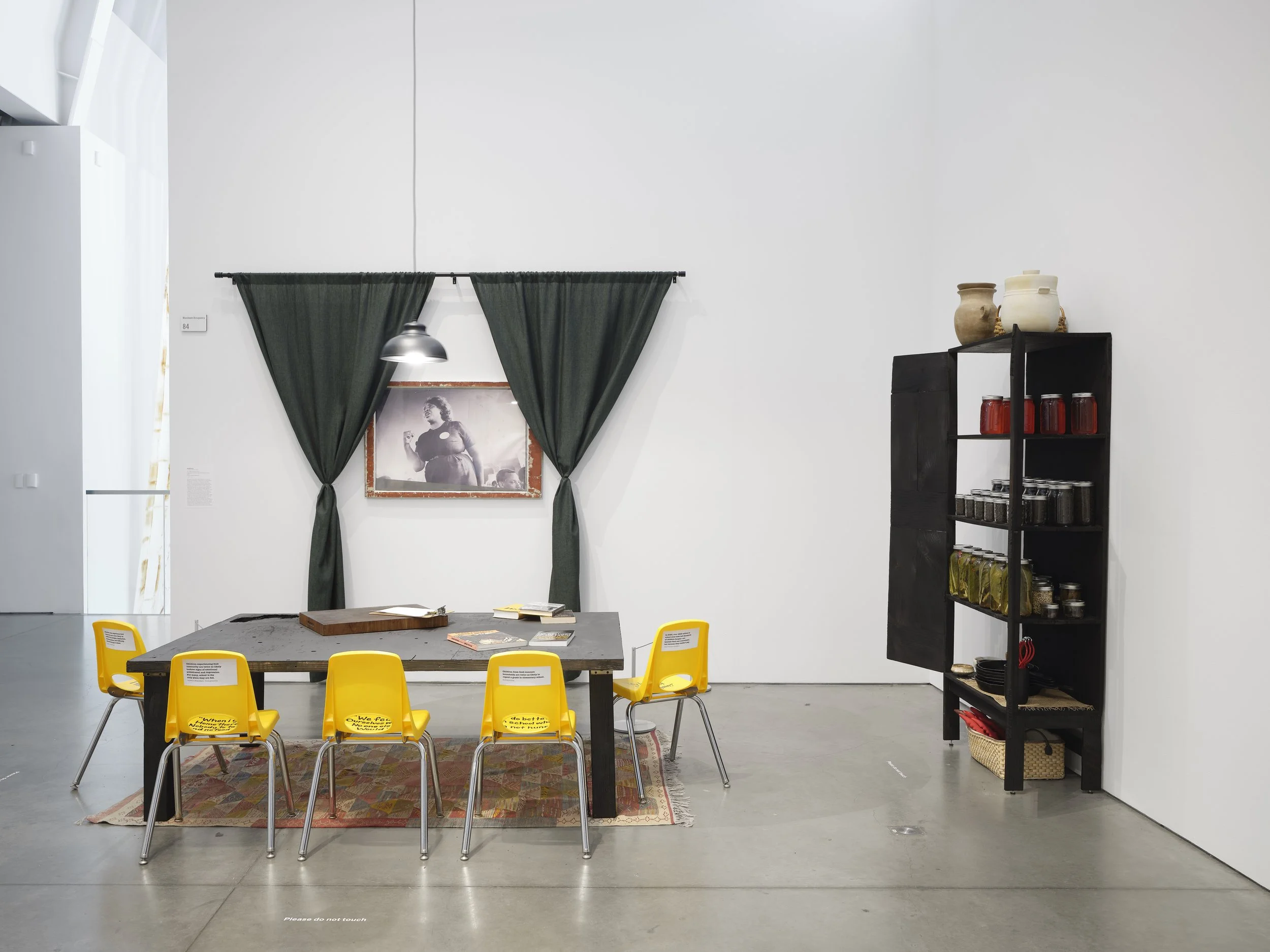
The Table and the Larder: Feeding the People, Remembering the Future
2025
Mixed media installation
At the core of bryant terry’s multifaceted practice is the artist’s recognition of the interconnections between racial injustice, food apartheid, and activism. Building on his work as a chef, educator, and author who traces Black cultural memory and resistance through culinary traditions, terry’s sculpture, installation, and sound works provide viewers with multiple entrypoints for engaging with dynamism of Black cultural traditions.
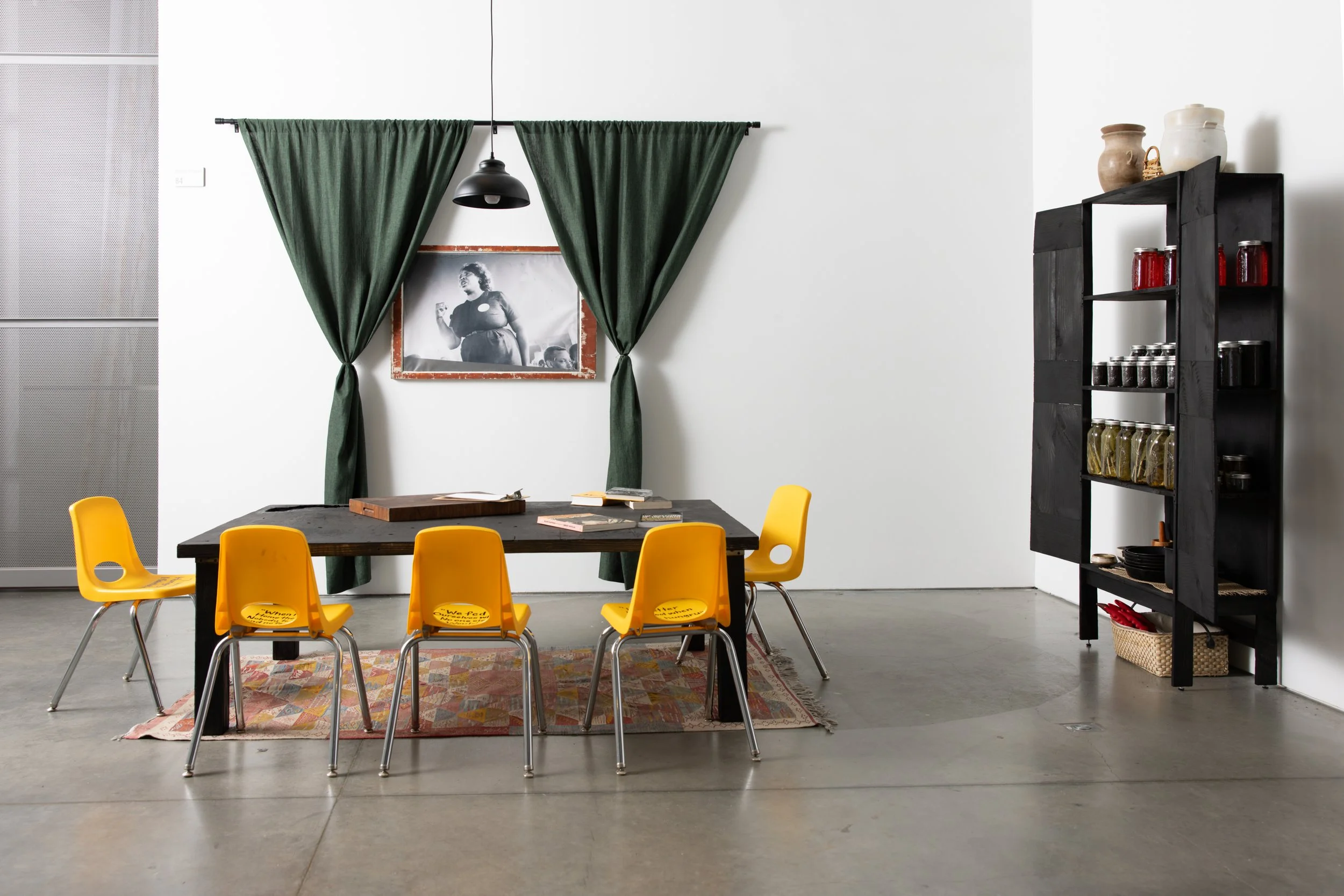
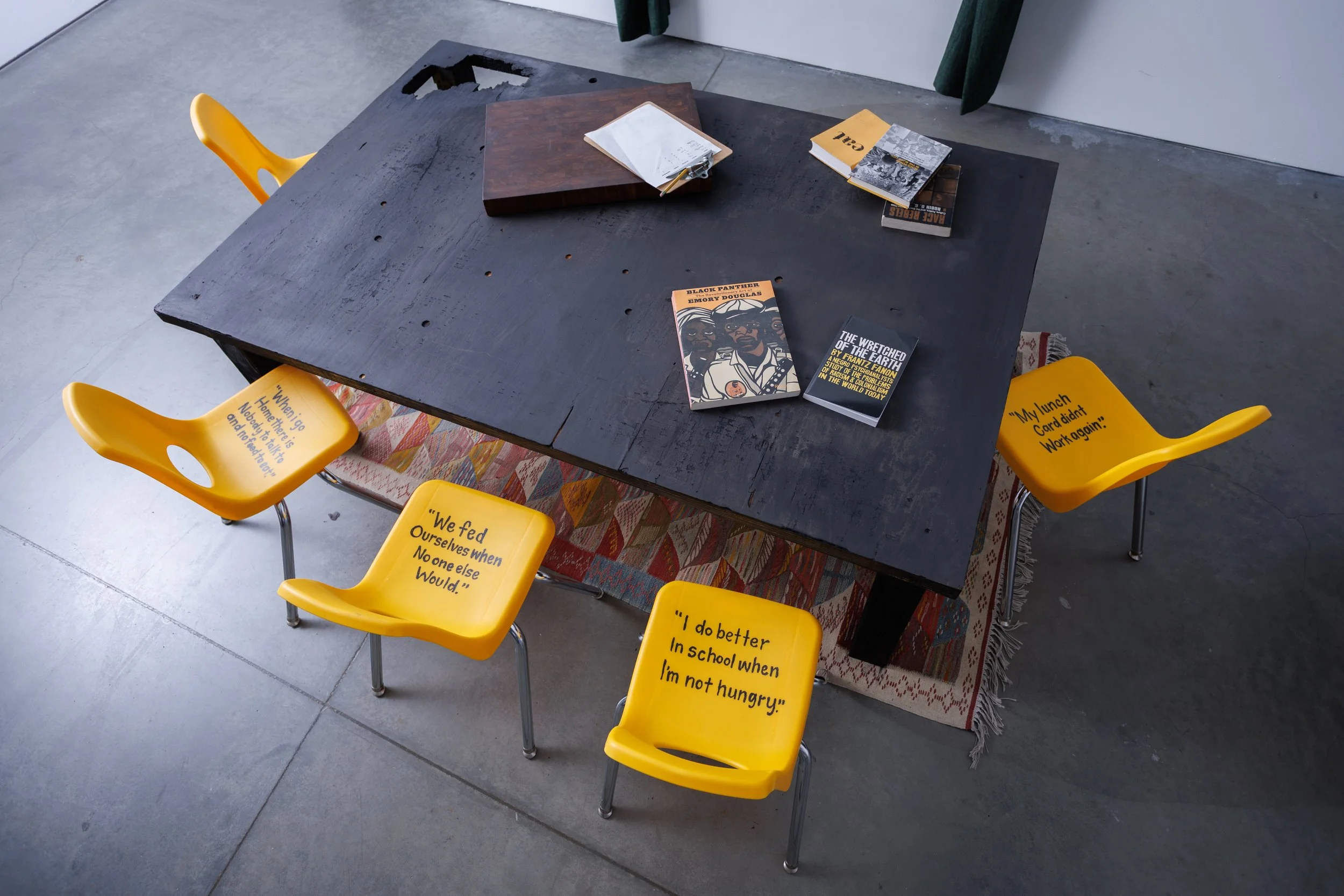
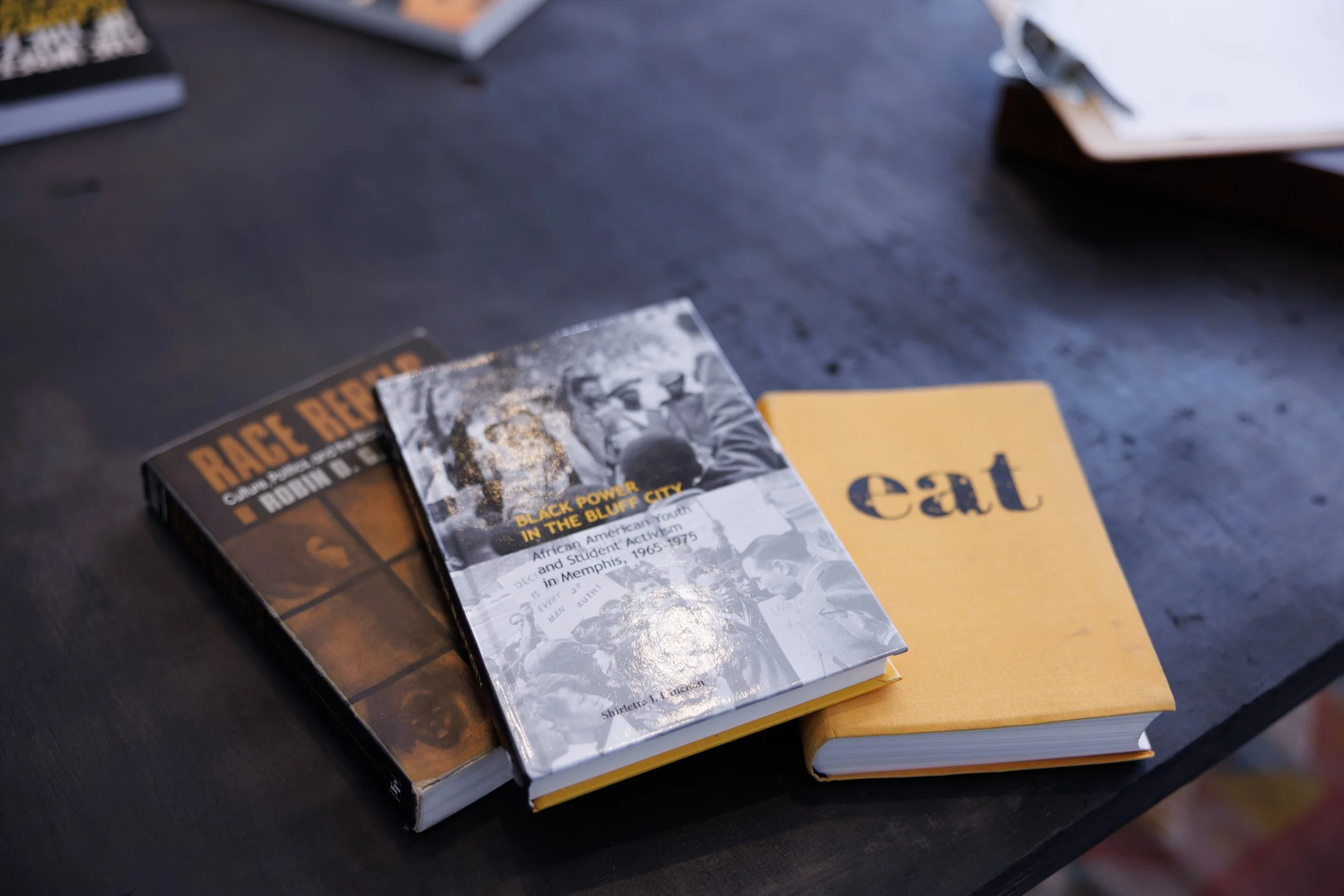
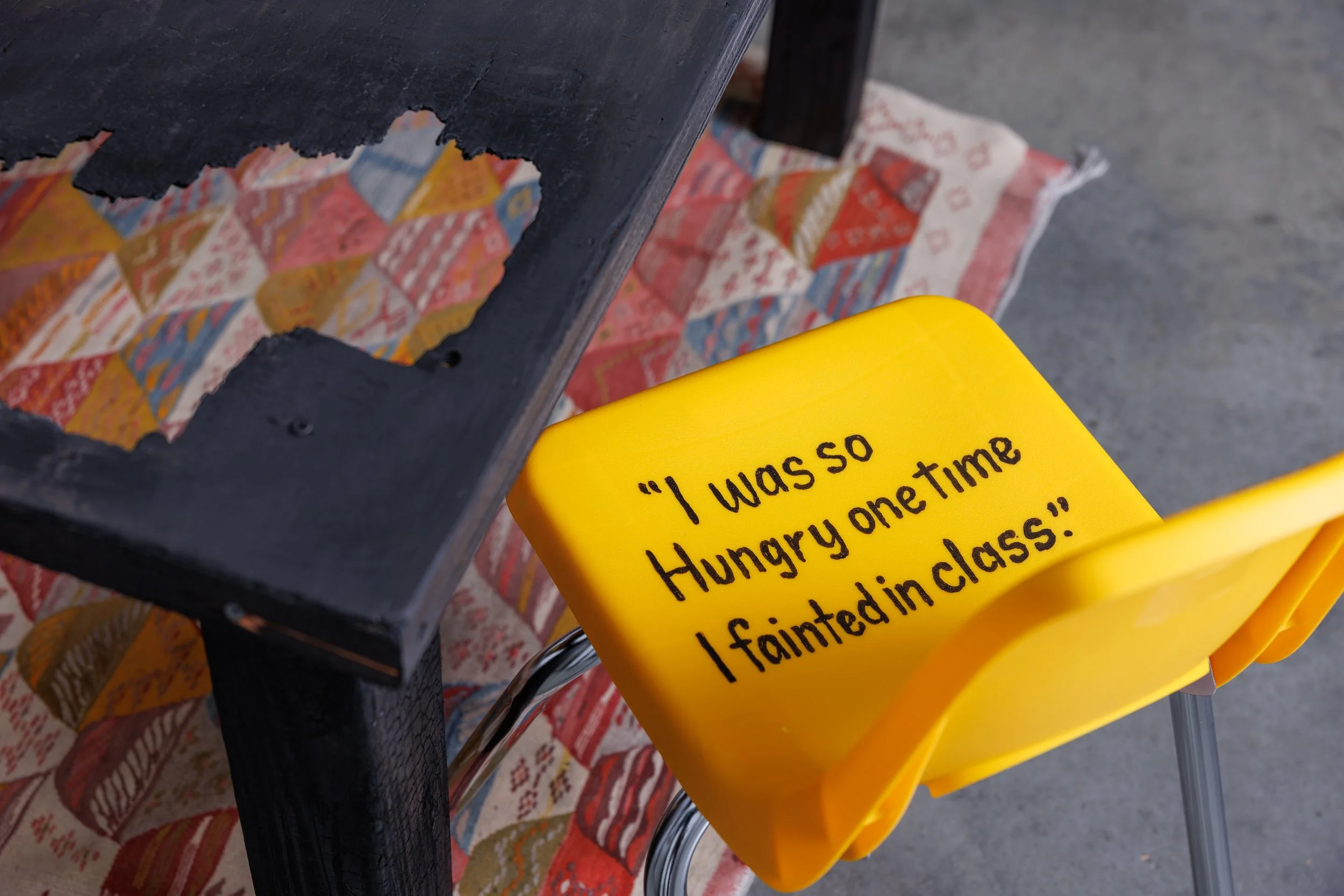
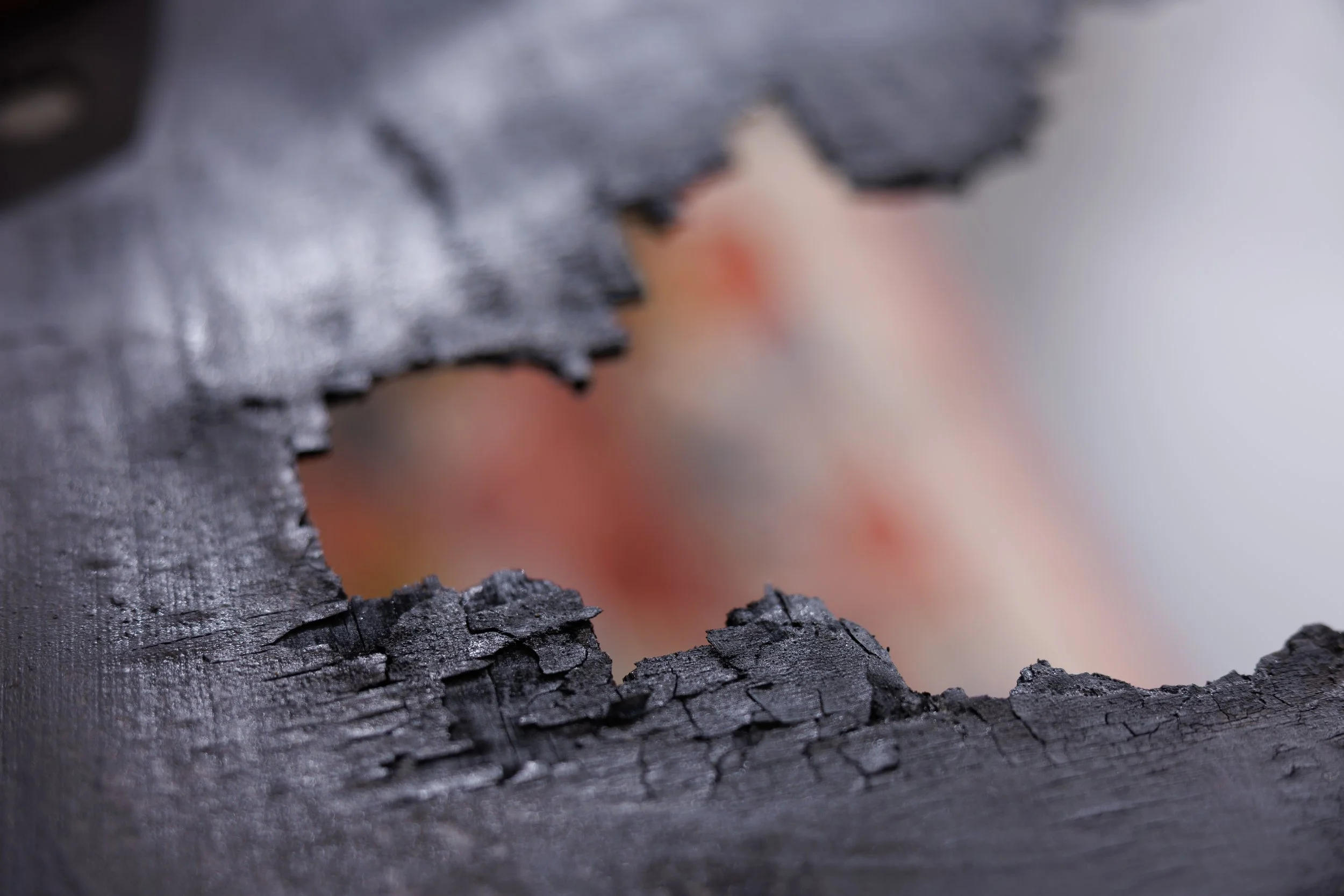
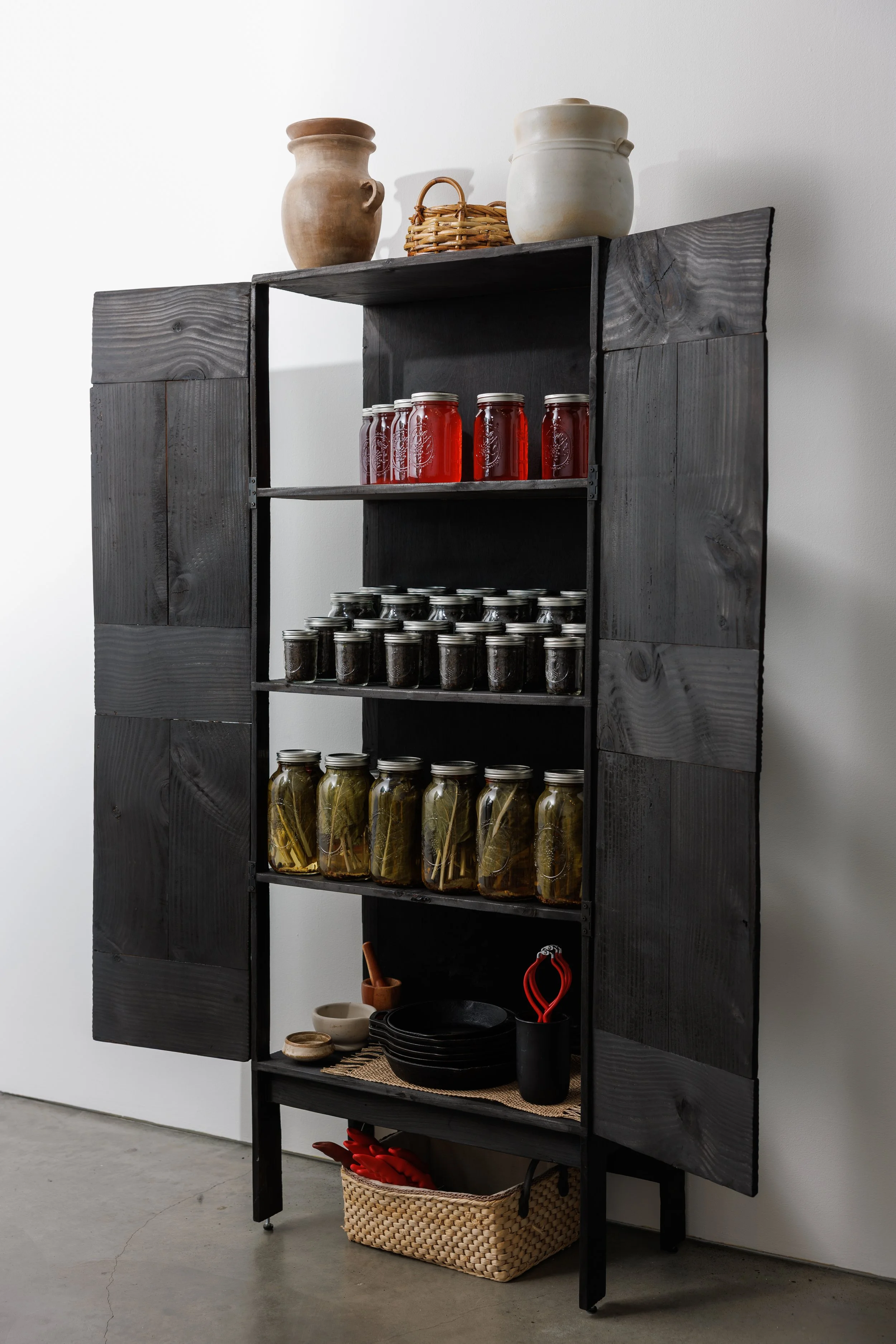
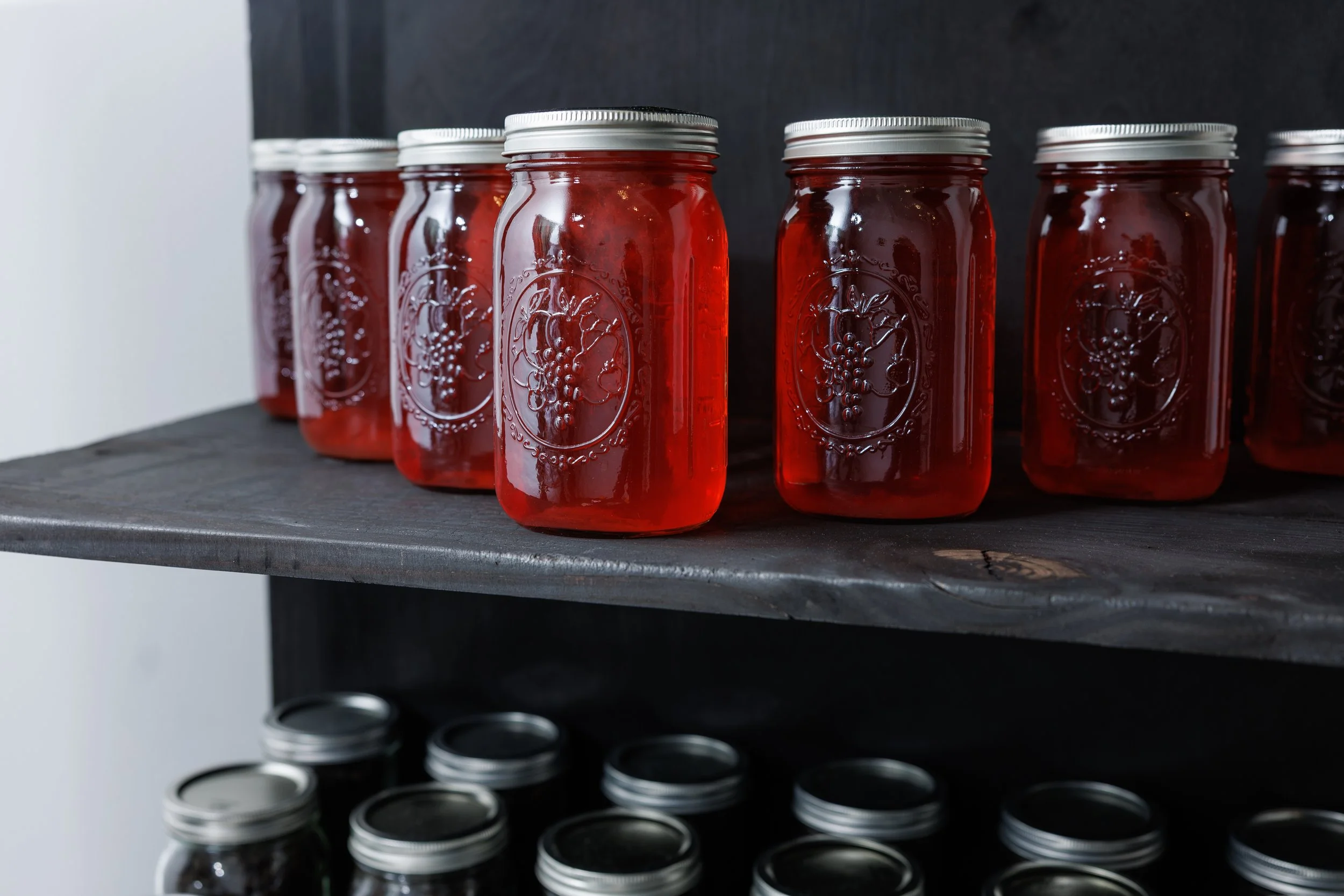
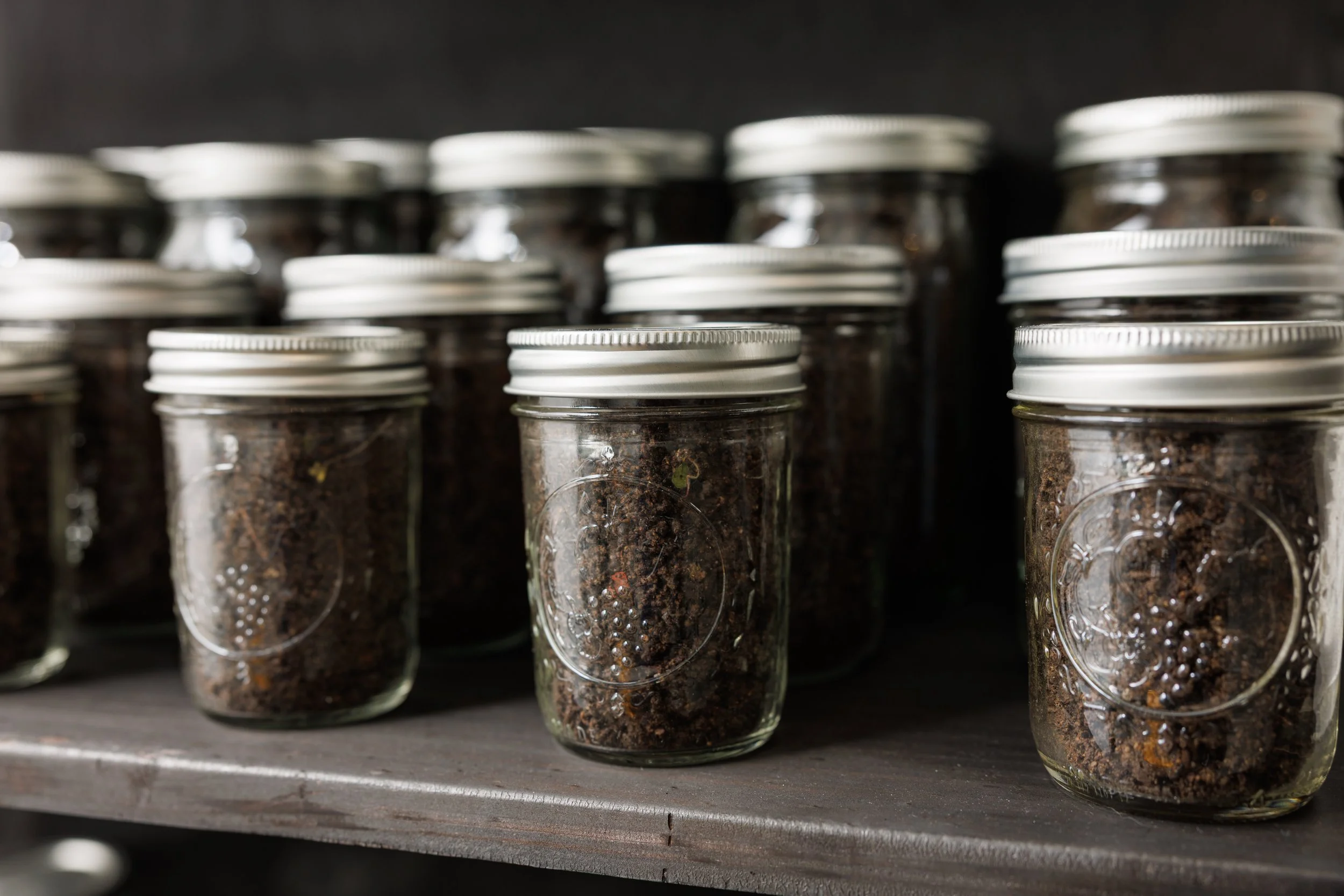
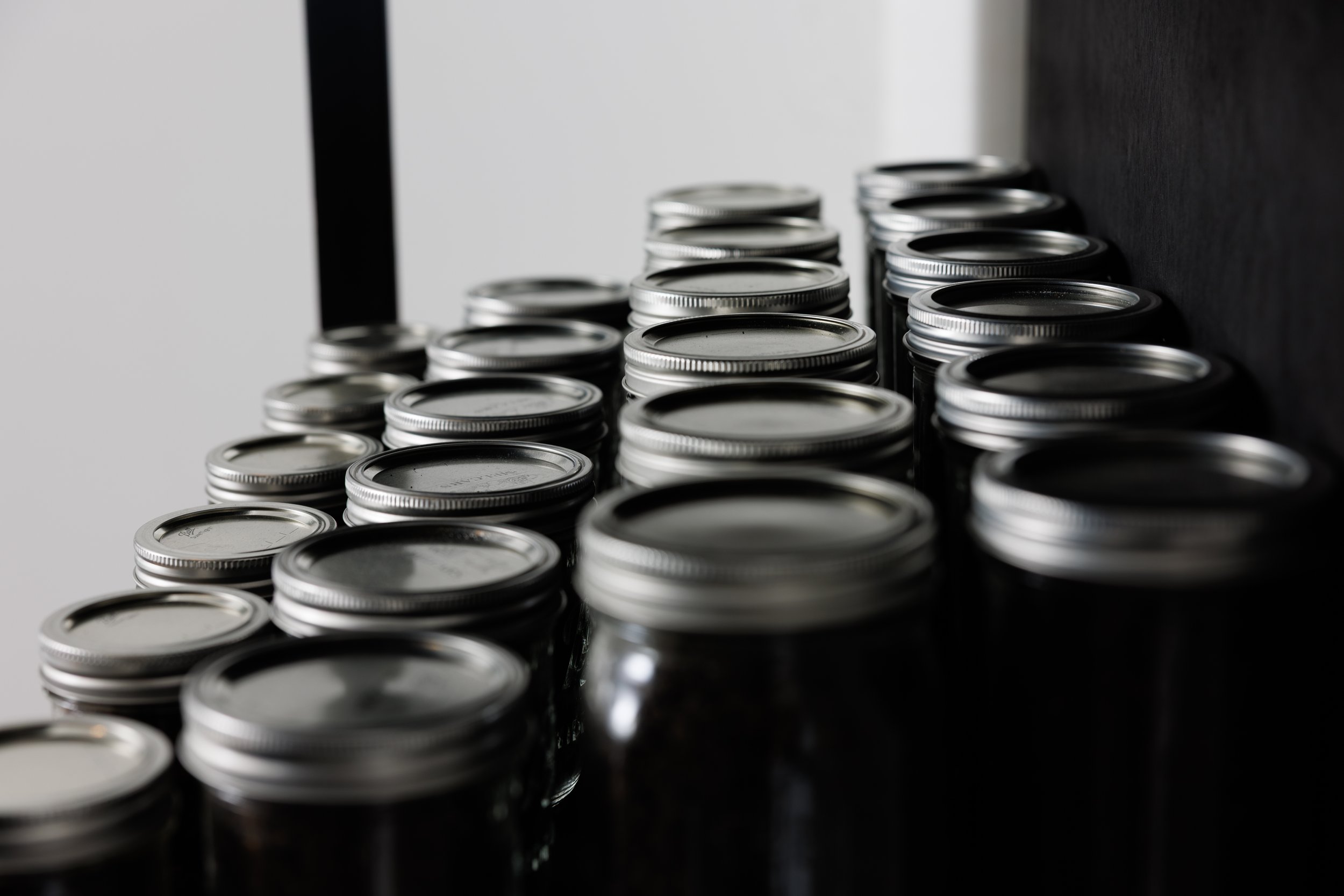
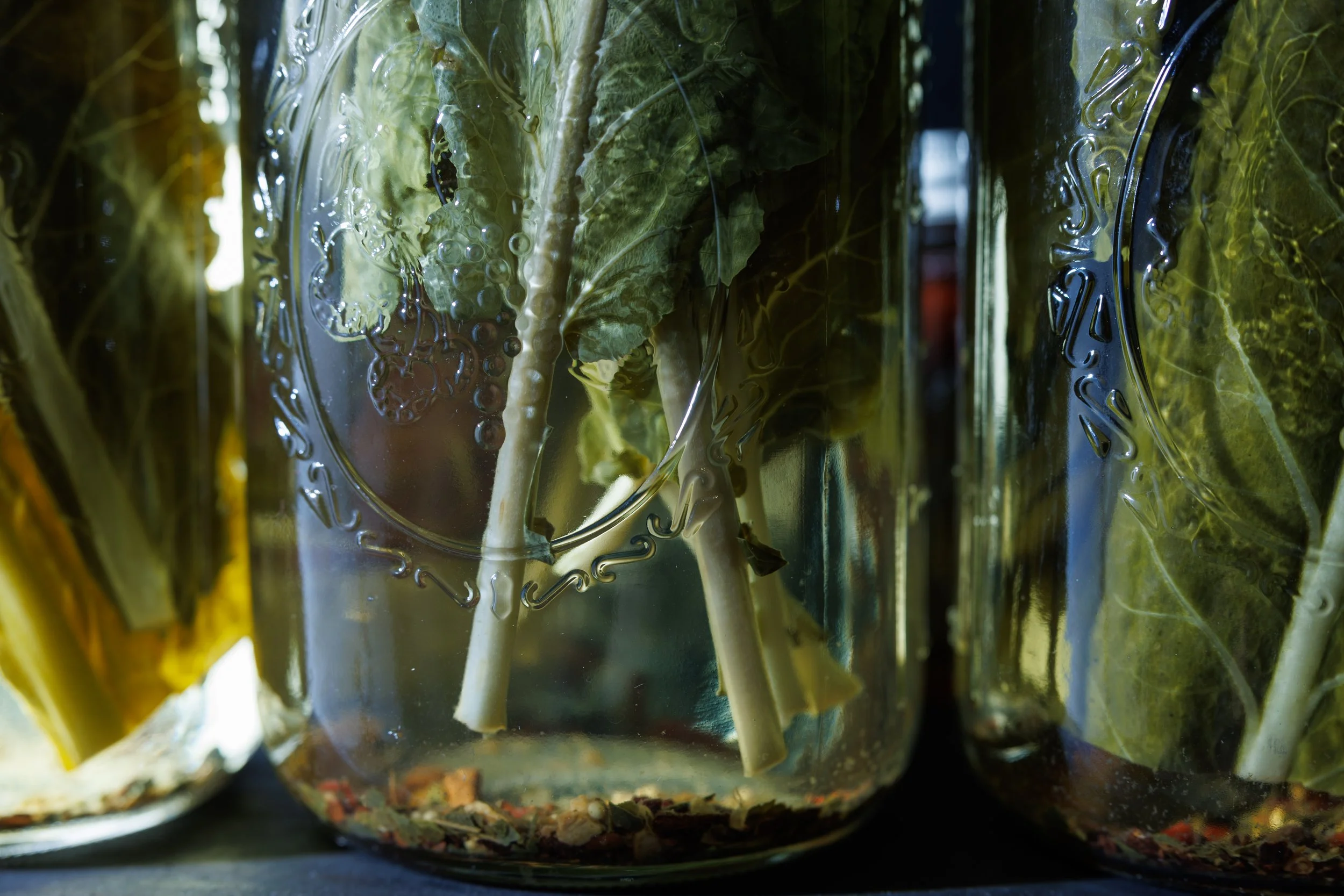
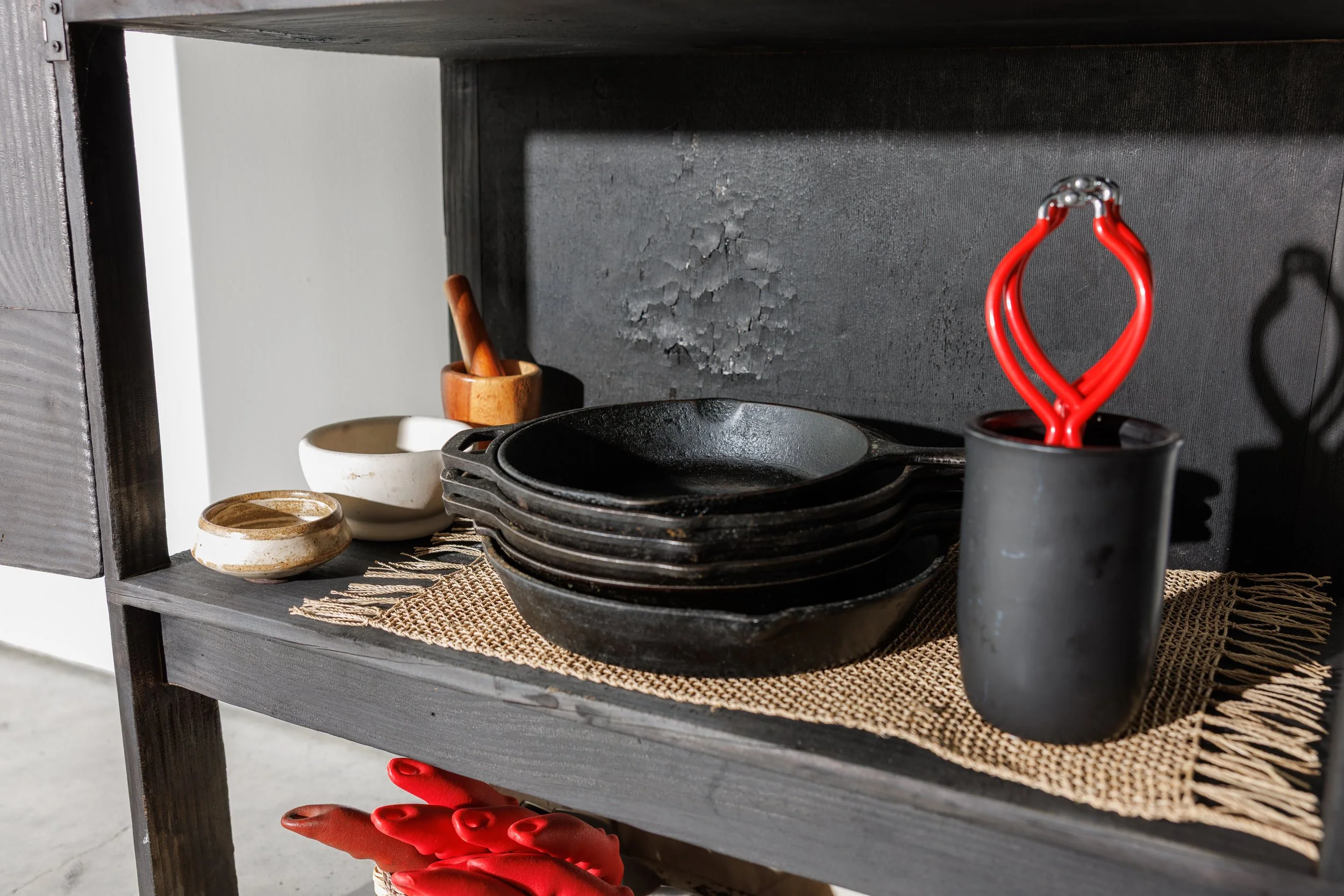
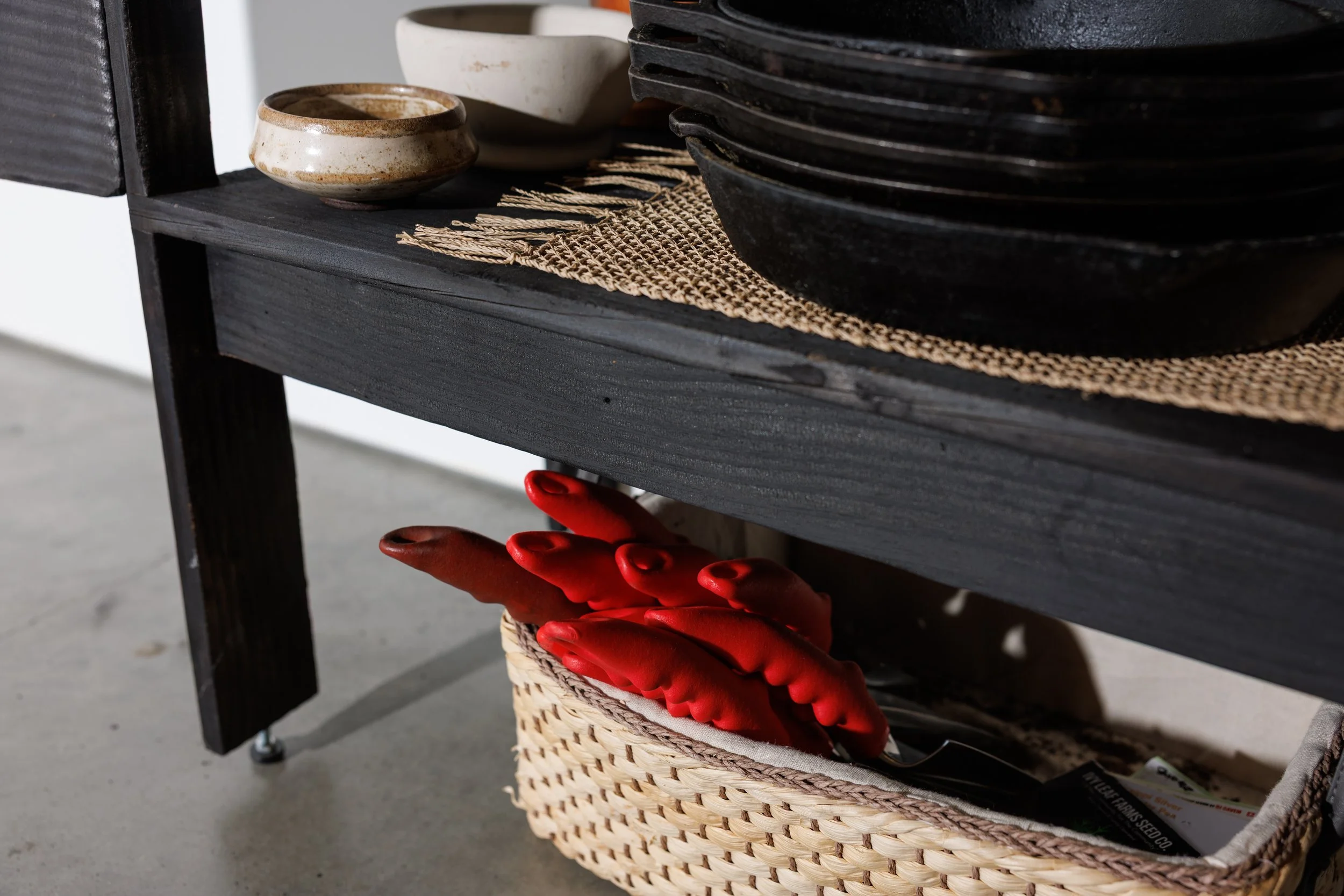
In The Table and the Larder: Feeding the People, Remembering the Future, terry draws upon the legacies of Black female domestic labor as a central means of collective care. Through careful scenography and symbolism, the artist brings viewers into a familiar setting with his wooden dining table and pantry, both darkened through the artist’s use of ebonizing and yakisugi techniques. These structures are laden with cultural signifiers that nod to the preservation and transmission of Black culture across generations. Jars filled with pickled collard greens, beet-hibiscus water, and soil, from Black farmers, sit in neat rows on the shelves of the pantry like soldiers at the ready; the chromatic array of red, black, and green reference the colors of Garvey's Pan-African flag. The dining table carries a selection of reading materials, underscoring the domestic as a vital space for political and civic education.
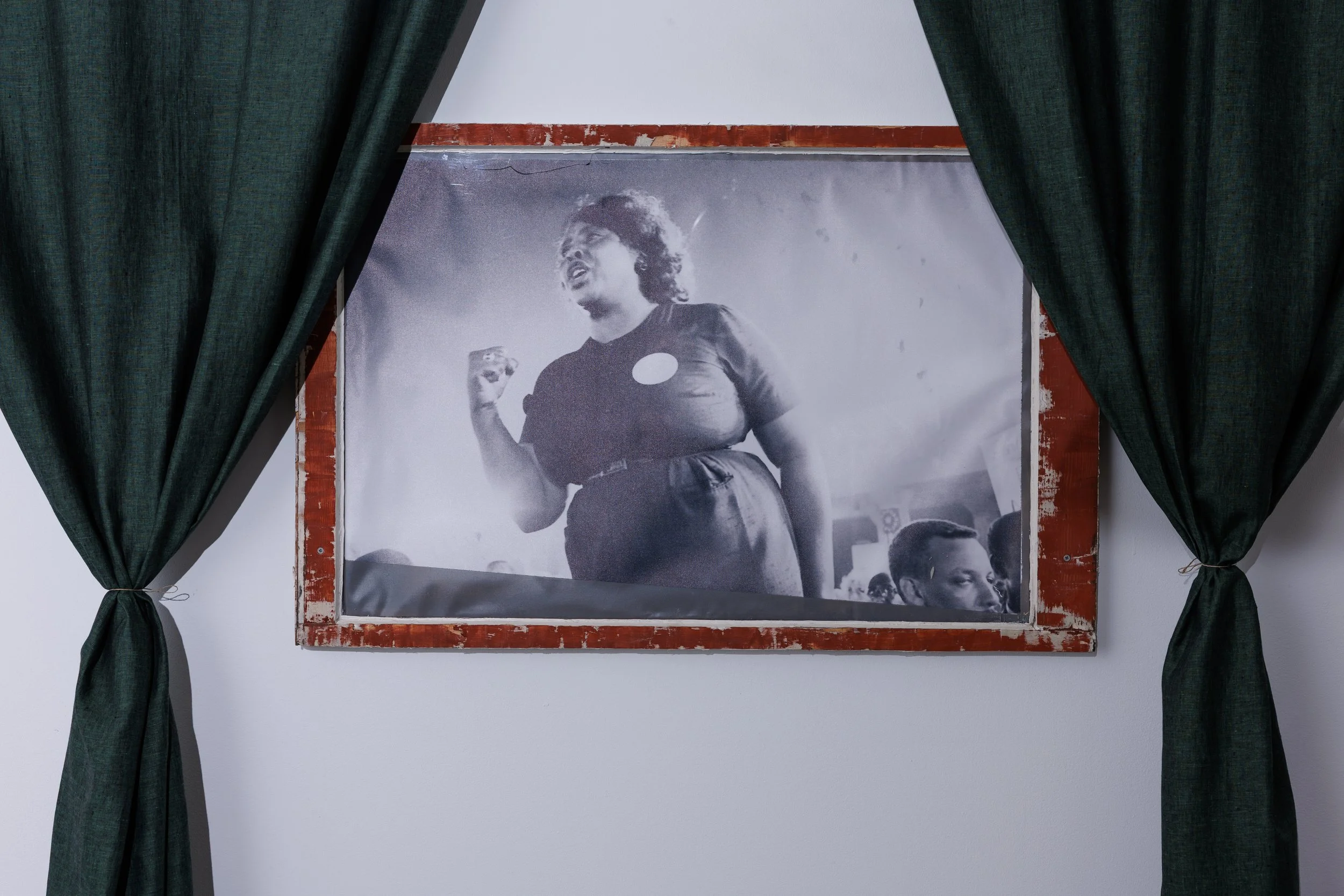
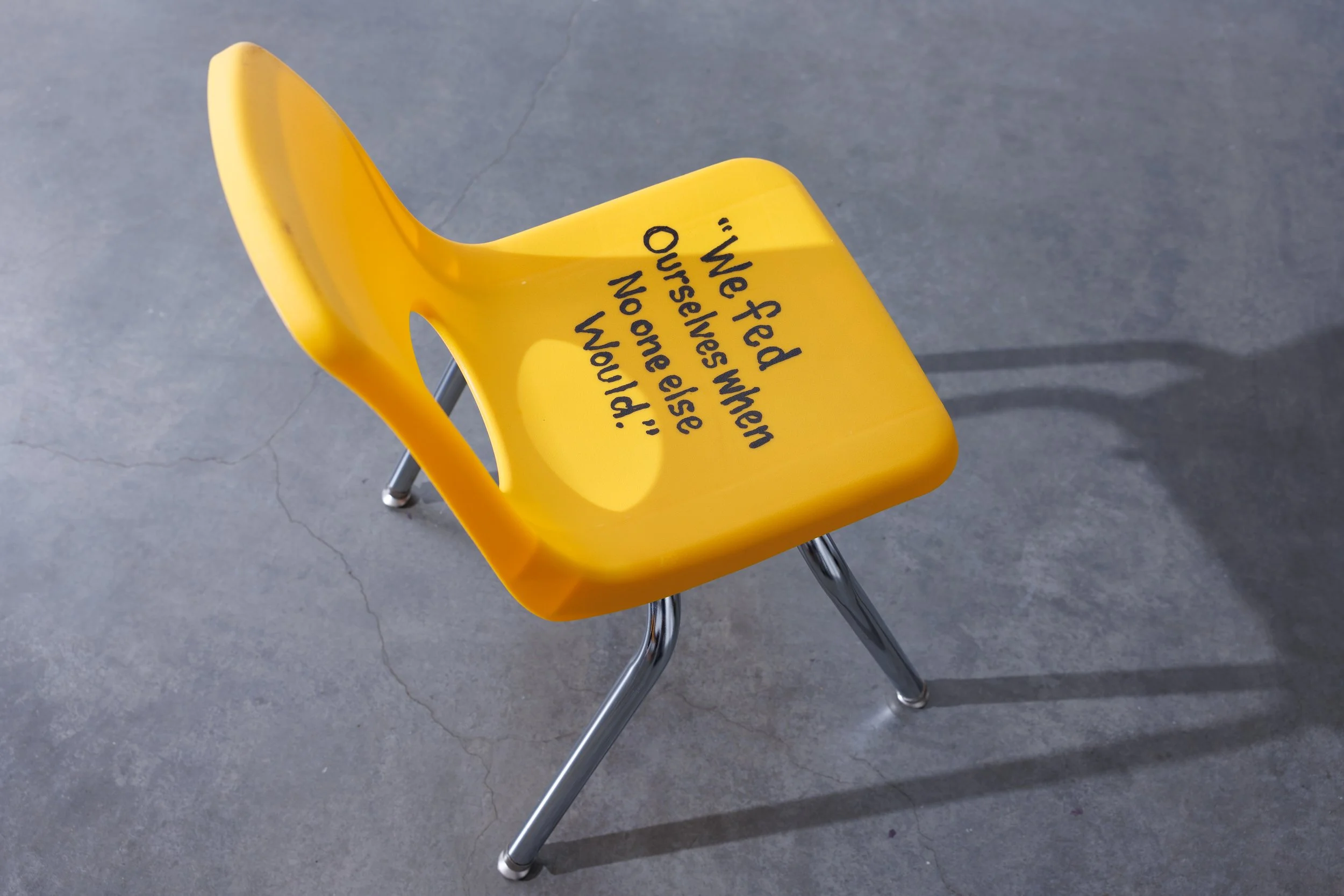
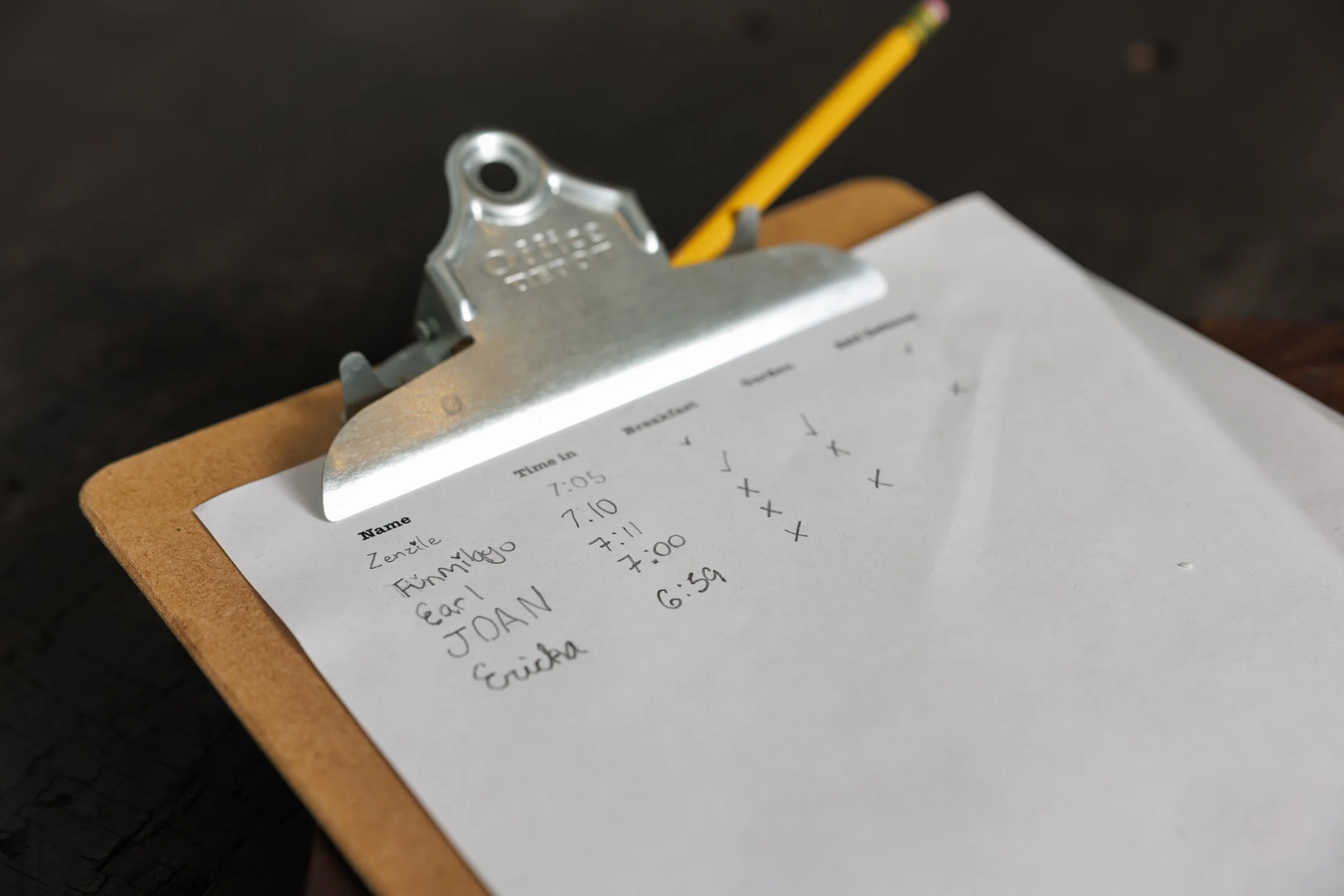
terry’s installation is structured by citational ethics that bridge past and present struggles. School chairs emblazoned with quotes gleaned from archival interviews with participants in the Black Panther Party’s Free Breakfast for Children Program are paired with statistics about food injustice in marginalized communities, while the overall mise-en-scene gestures toward Carrie Mae Weems’s photographs from her Kitchen Table series. A pendant lamp outfitted with a speaker plays a conversation between local farmers with whom the artist has collaborated, collaged with an archival audio recording of the civil rights activist Fannie Lou Hamer, whose photograph hangs on the wall.