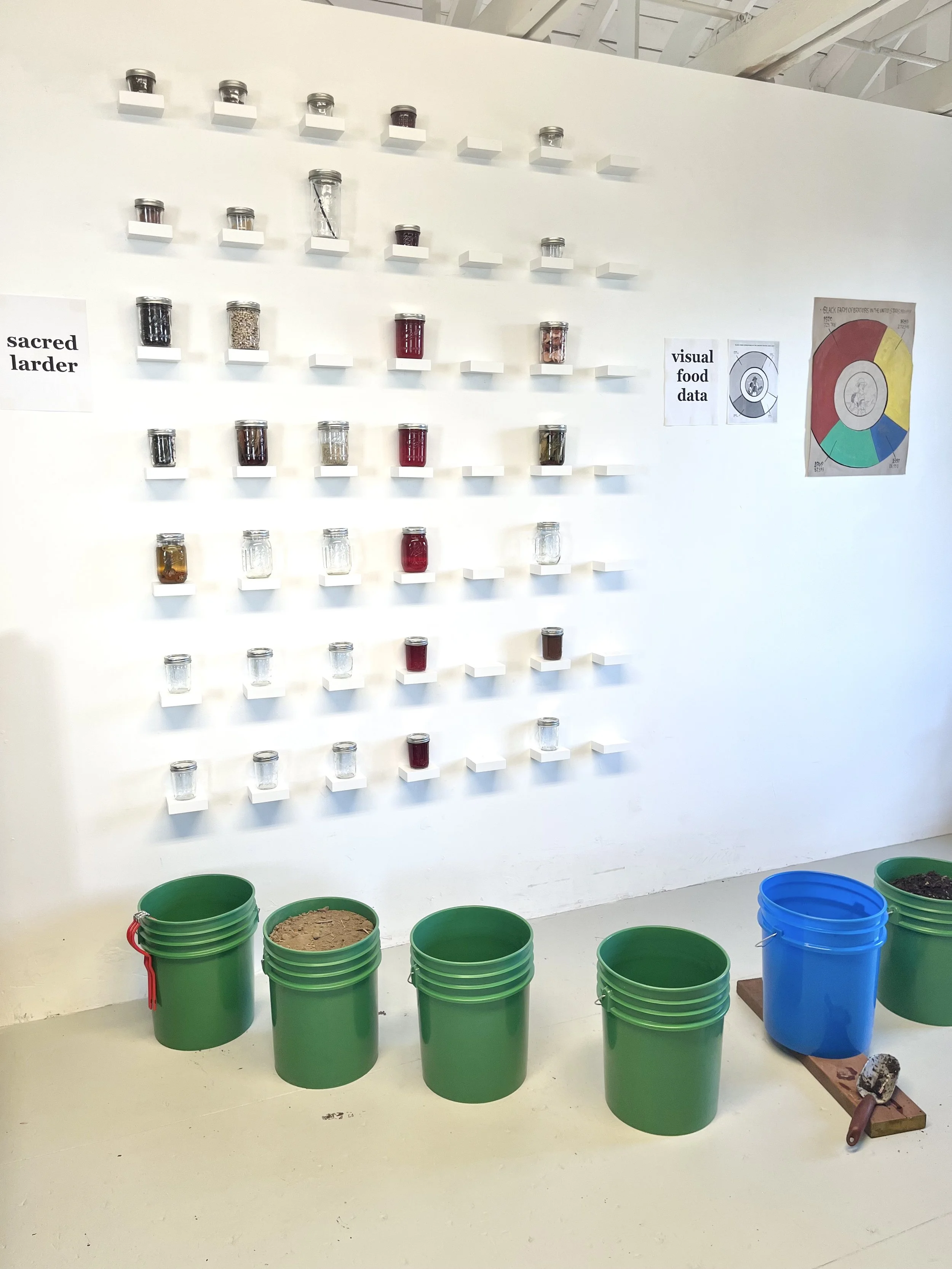
bryant’s sculpture Sacred Larder (2025) is included in the Open Inquiry: UC Arts show at The Sausalito Center For The Arts.
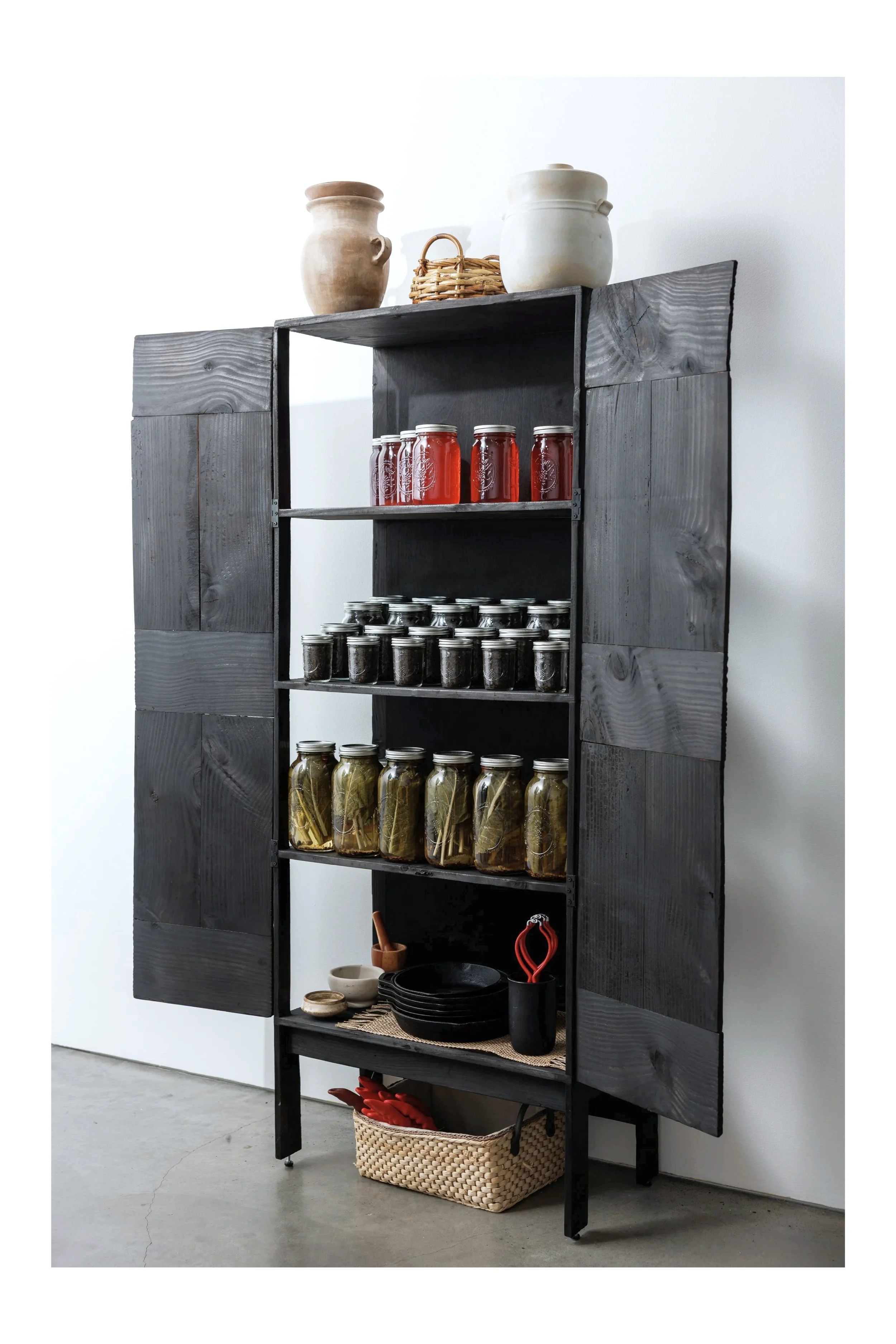
Sacred Larder (2025)
This sculpture is included in Open Inquiry: UC Arts, a group exhibition bringing together a new generation of artists emerging from the renowned art practice programs at University of California, Berkeley, University of California, Davis, and University of California, Los Angeles. Long recognized as hubs of artistic experimentation and critical thought, the art departments at these universities have incubated artists whose practices merge rigorous academic research with ambitious studio experimentation. The exhibition highlights artists whose work extends the legacy of UC arts as a site of inquiry, experimentation, and social engagement.
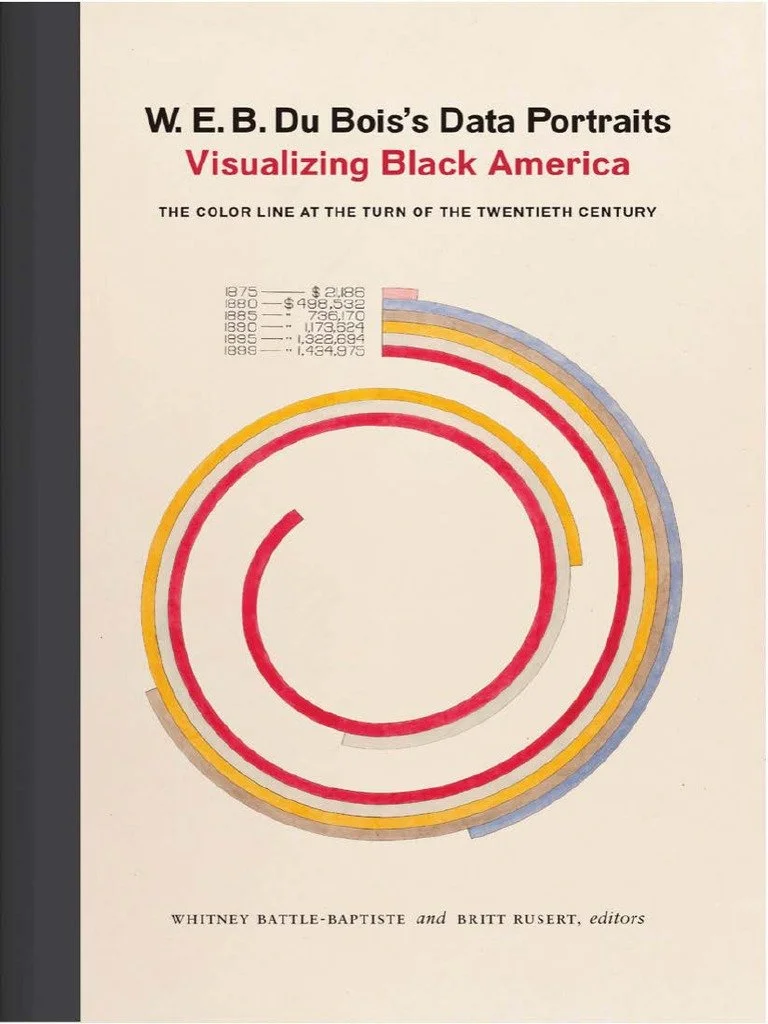
The origins of this sculpture trace back to 2022, when bryant was an Abolition Democracy Fellow at UC Berkeley. Inspired by the hand-drawn statistical charts and diagrams created by W. E. B. Du Bois and a team of students from Atlanta University for the 1900 Paris Exposition, bryant initially envisioned a series of mixed-media collages visualizing data related to African American health, food, and farming.
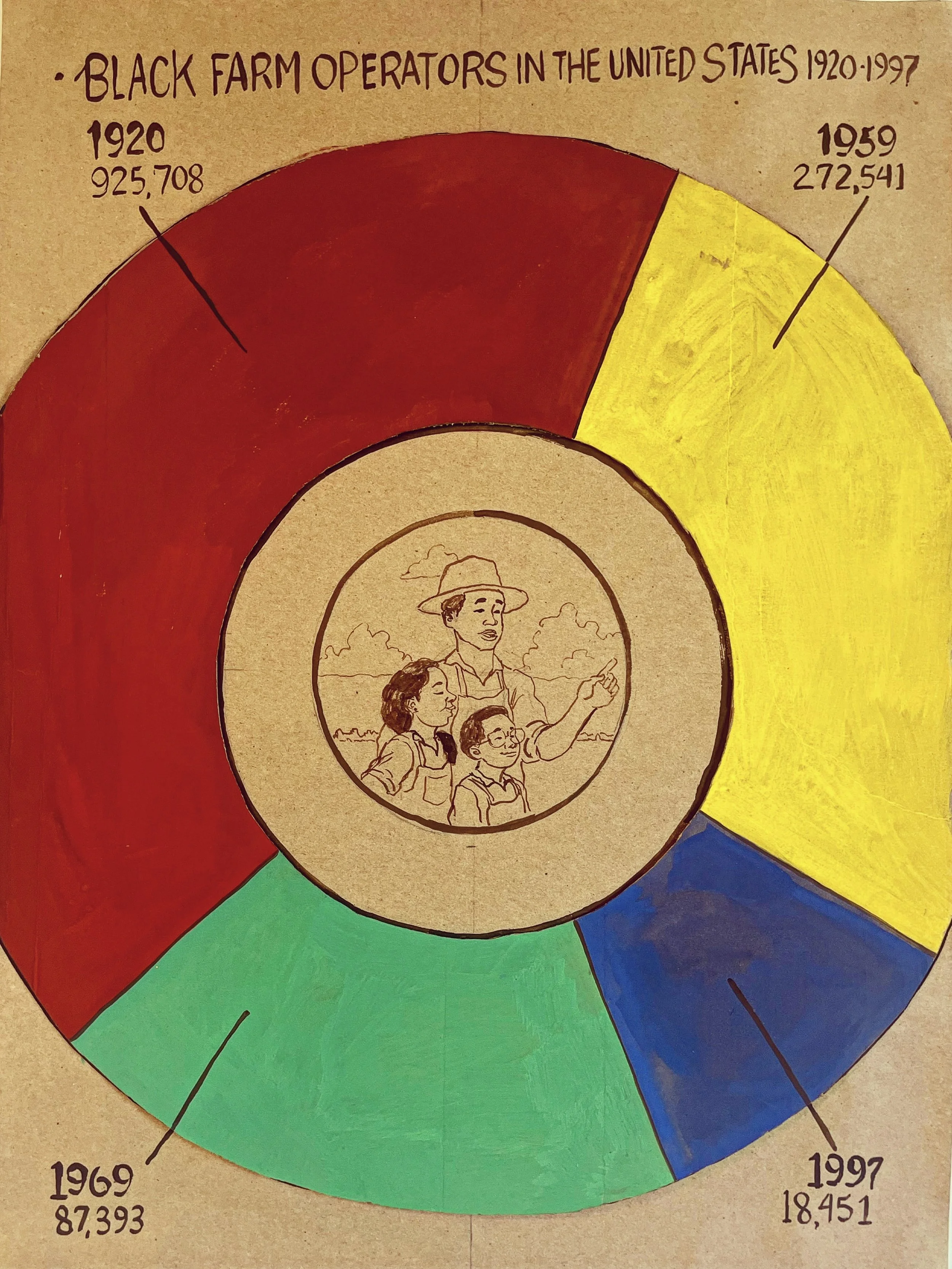
His first mock-up (see below) examined the dramatic decline in the number of Black farmers over the course of the twentieth century. As he researched these issues, he began to notice a troubling parallel: the disappearance of Black farm operators coincided with the rise of preventable, diet-related chronic illnesses in African American communities. While this relationship is only one factor among many, the correlation suggested a deeper question about the structural disconnection from land, food production, and traditional foodways.
Recognizing that pharmaceuticals rarely address the root causes of these illnesses, bryant began asking a different question: What is our medicine? One answer, he believes, lies in the traditional foods of the African diaspora.
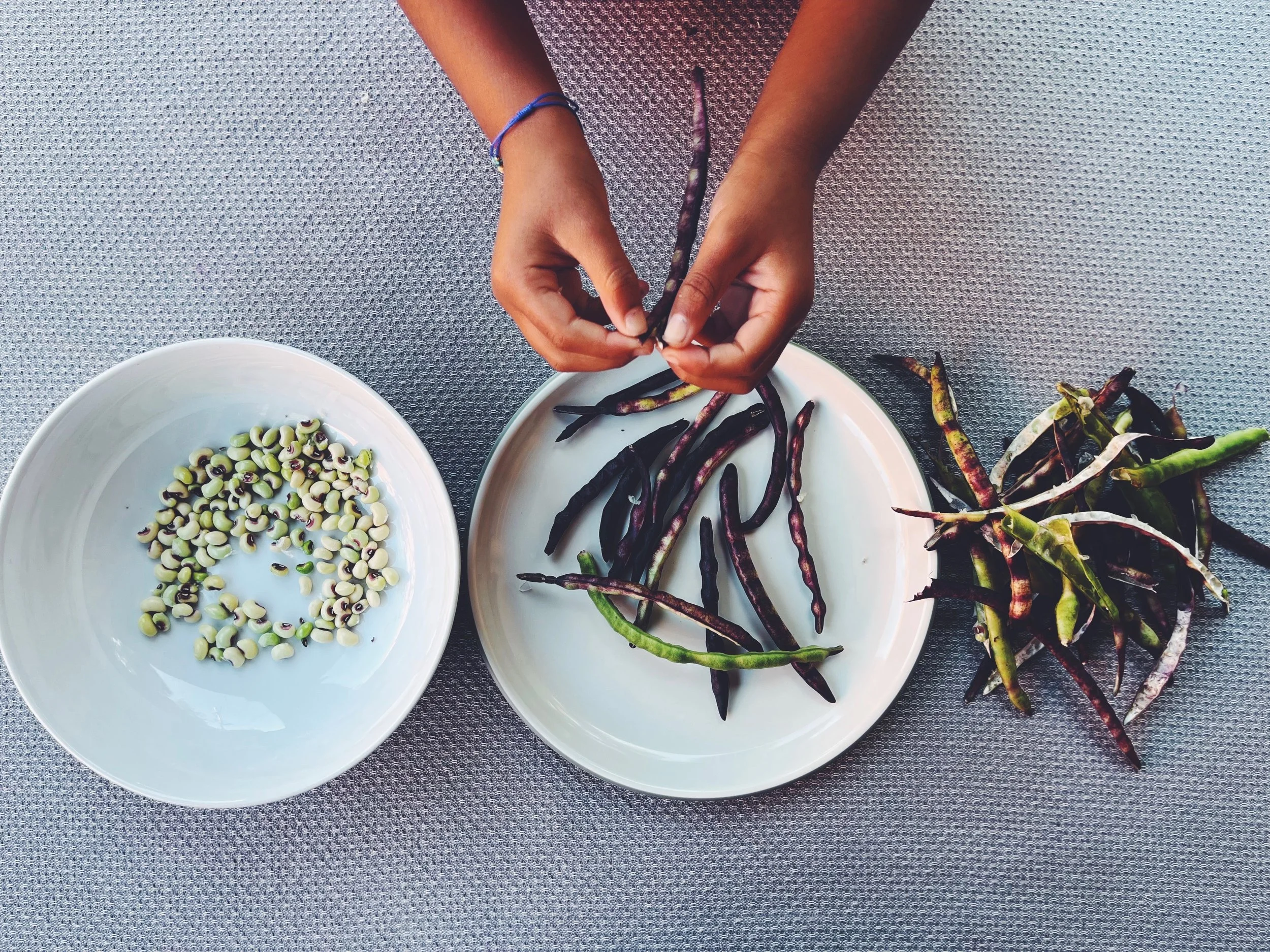
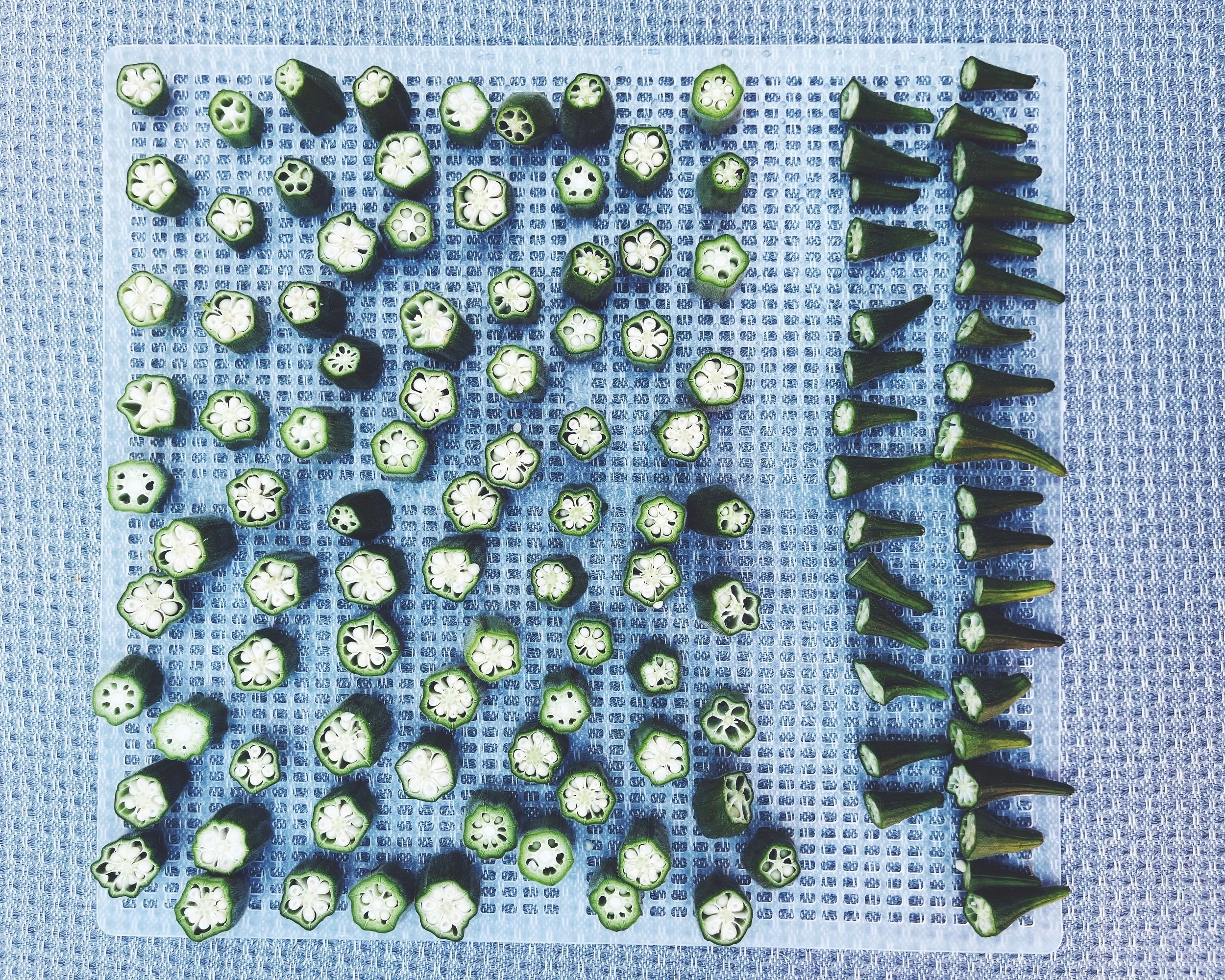
This inquiry led him to begin working with preservation techniques practiced by his ancestors—dehydrating, salting, fermenting, and the like—to preserve staple ingredients. For this project, he sourced produce exclusively from three Black farmers in Northern California, transforming these ingredients into preserved foods that function simultaneously as nourishment and portals to cultural memory.
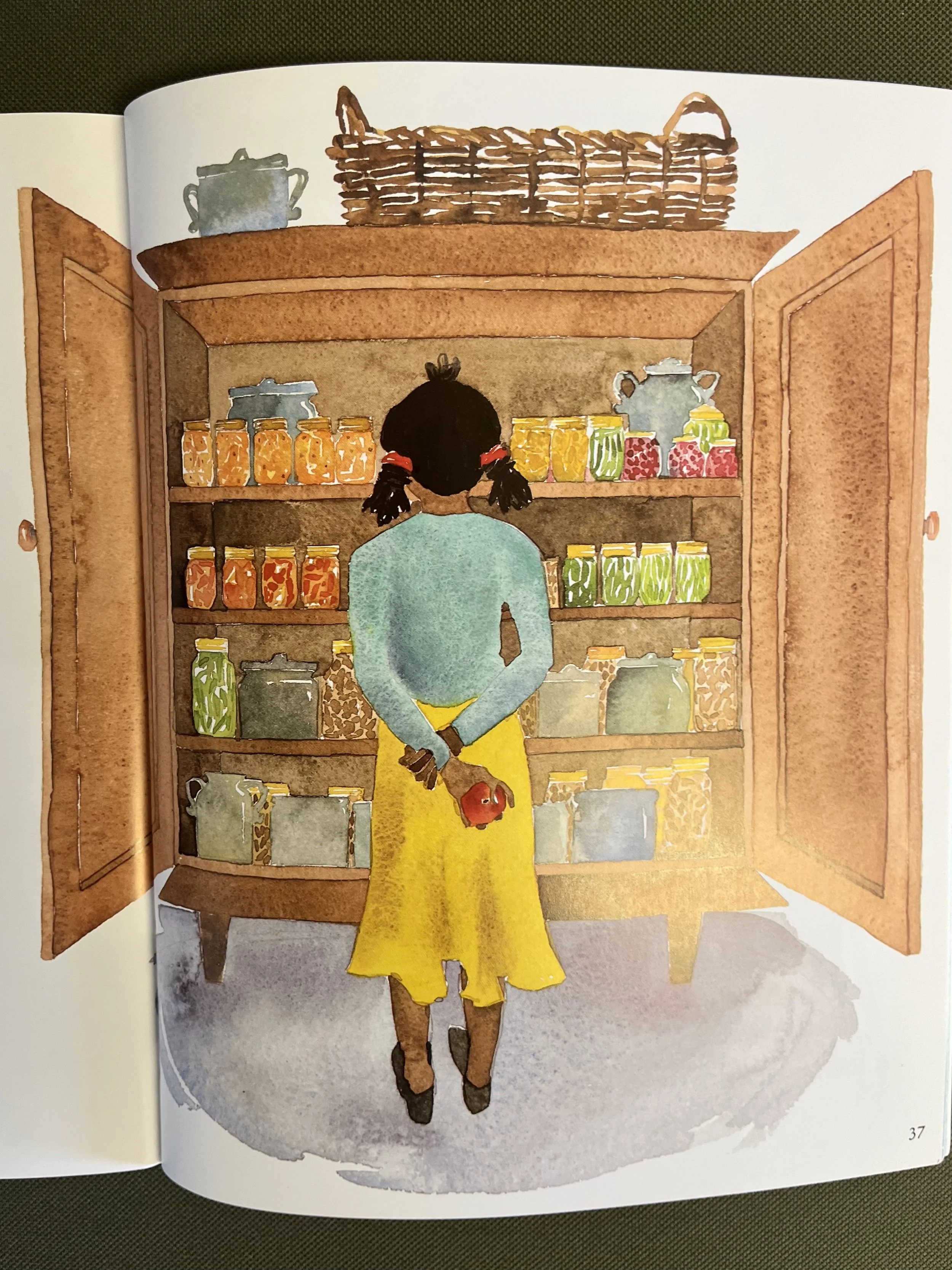
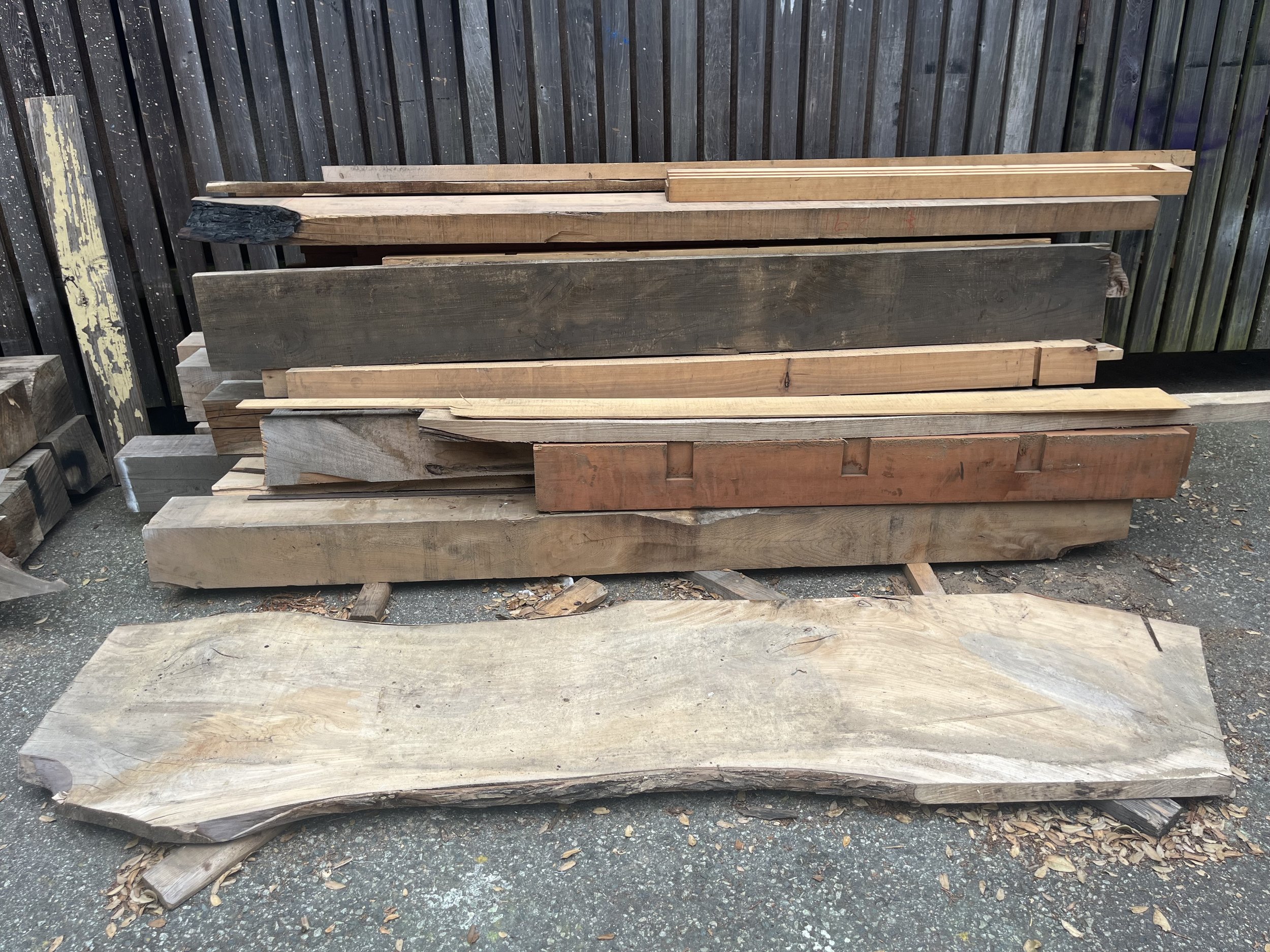
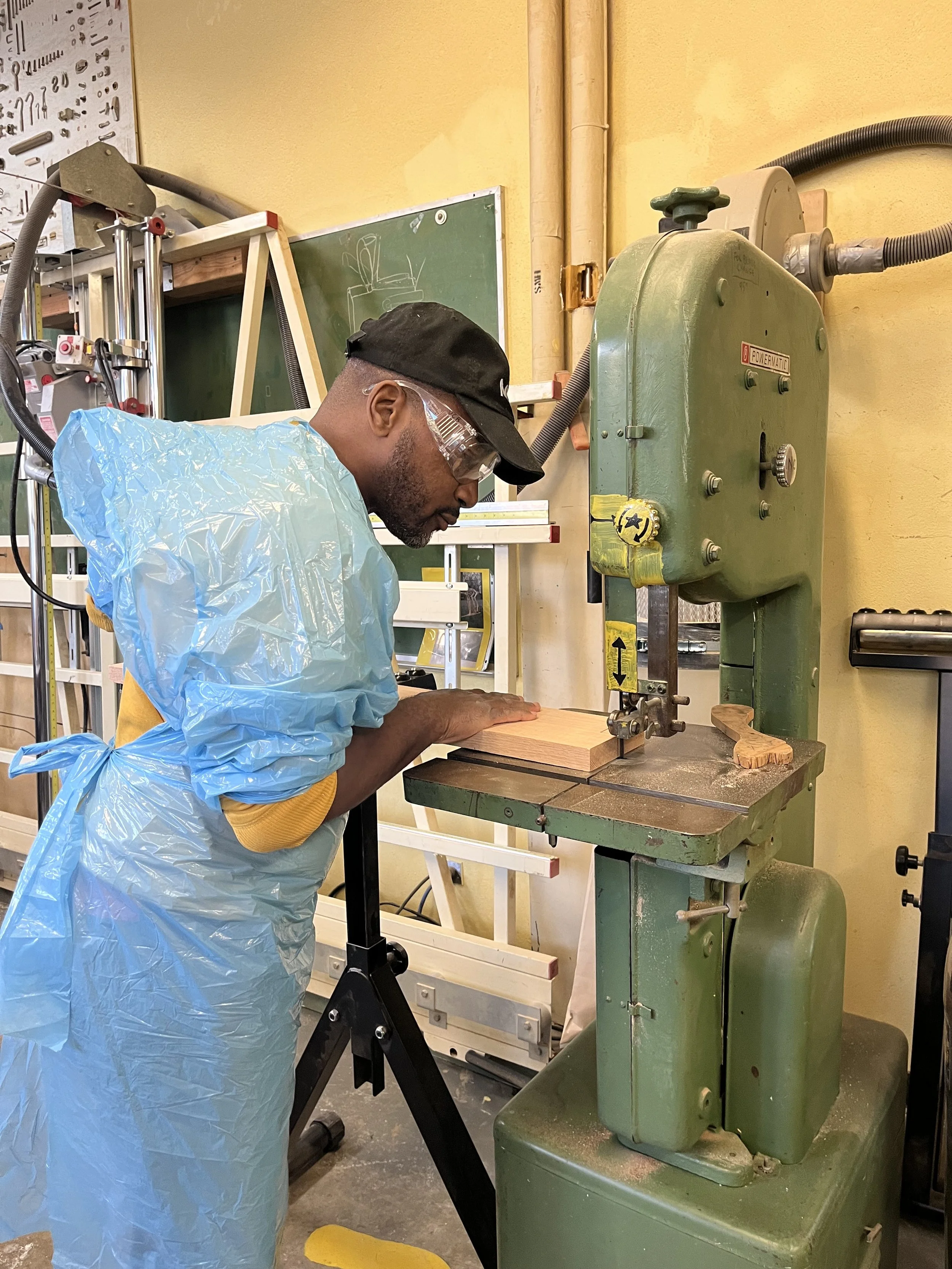
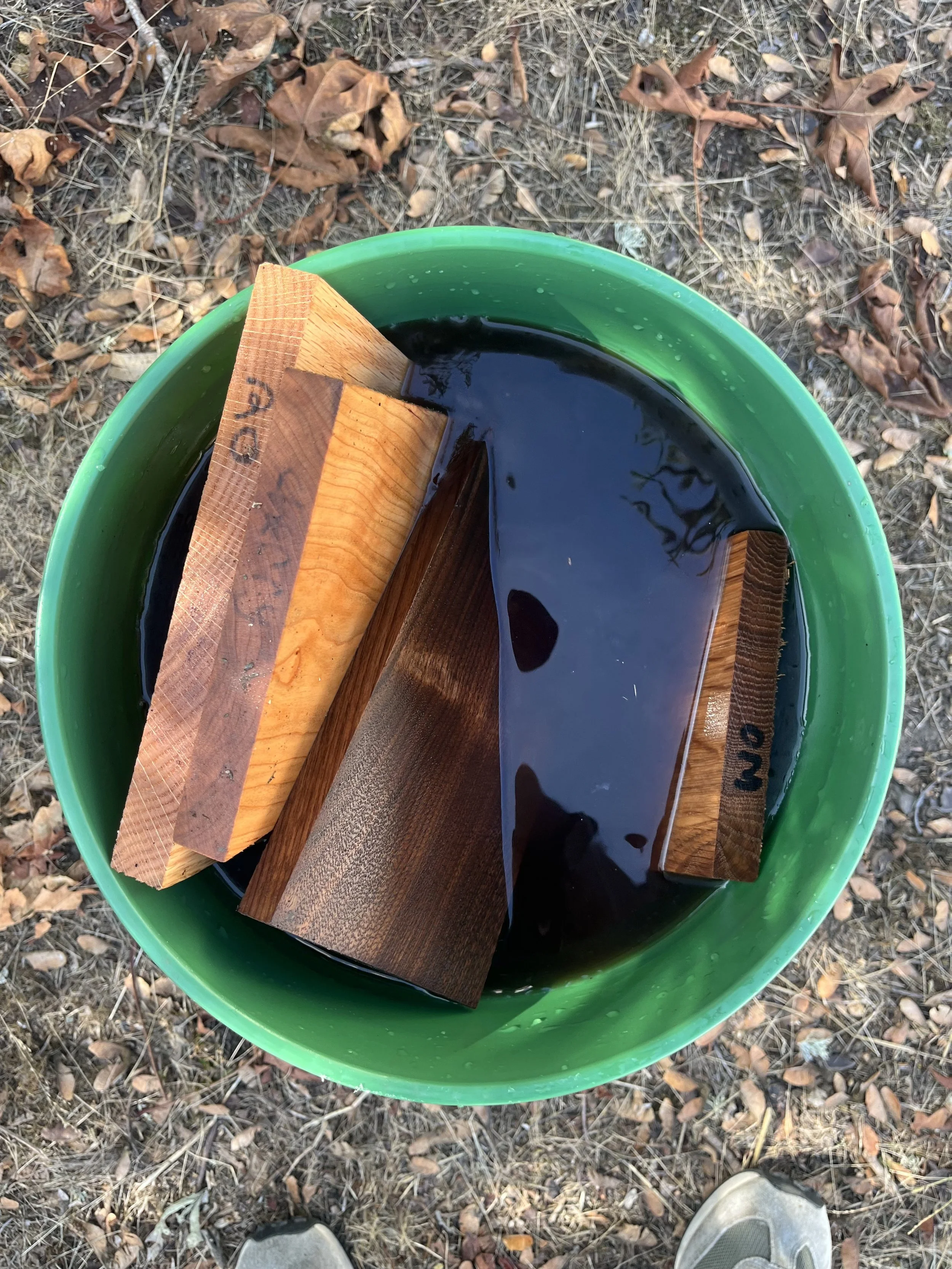
From the outset, he imagined presenting these preserved foods within a homemade pantry—a structure recalling the one in his maternal grandmother’s kitchen, its surfaces darkened through ebonizing and yakisugi techniques. He removed the pantry’s sides, a simple architectural gesture that opened the piece up, symbolically breaking the barrier between private labor and public witnessing. The shelves are layered with cultural signifiers that gesture toward the preservation and transmission of Black culture across generations.
Jars filled with pickled collard greens, beet-hibiscus water, and soil gathered from the farms of the Black growers who contributed produce to the project sit in careful rows on the shelves of the pantry like soldiers at the ready. Their chromatic array of red, black, and green references the colors of Marcus Garvey’s Pan-African flag.
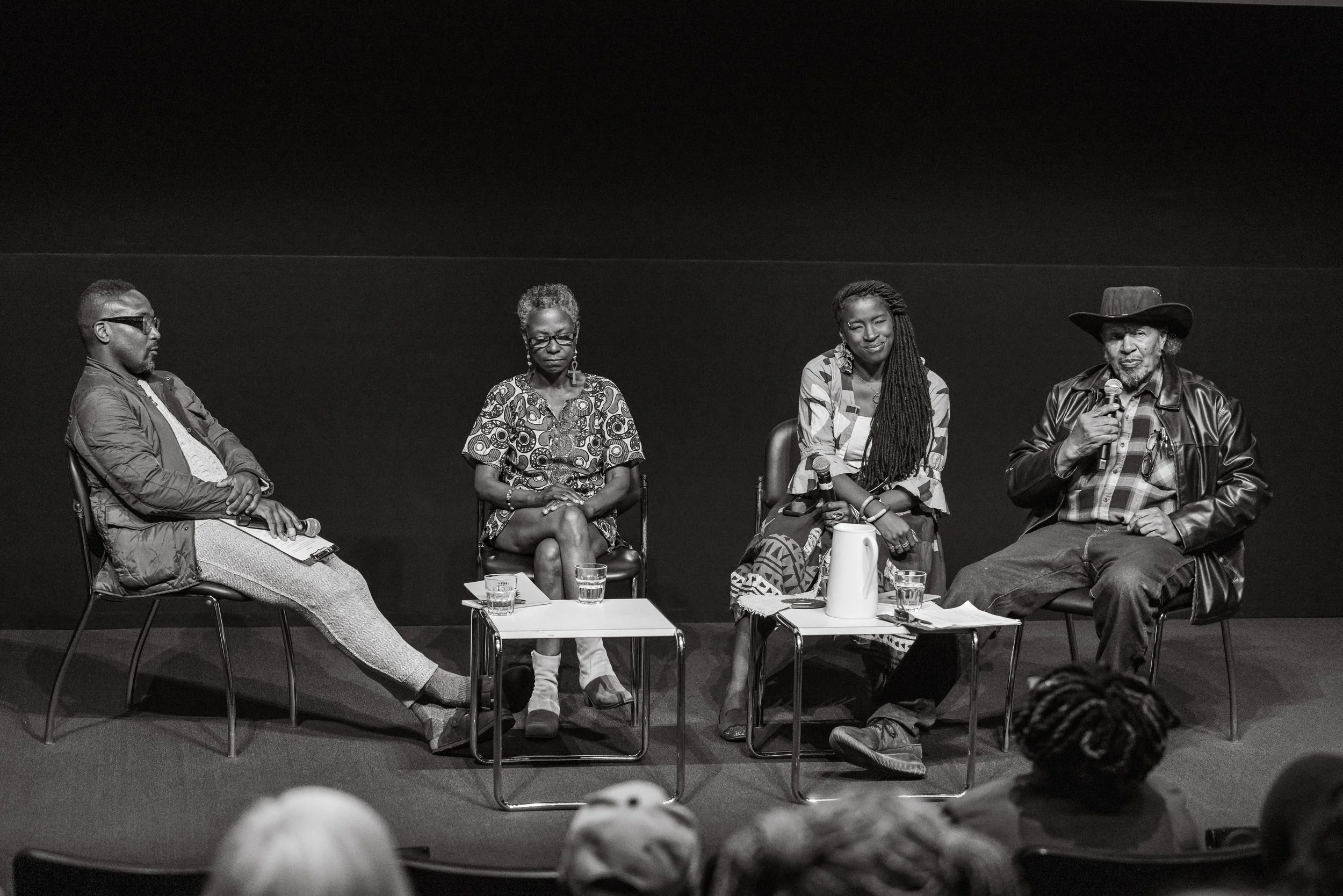
The pantry structure later became a central element of The Table and the Larder: Feeding the People, Remembering the Future (2025), bryant’s mixed-media installation presented at the Berkeley Art Museum and Pacific Film Archive. Within the context of Open Inquiry, the sculpture continues to reflect bryant’s ongoing exploration of foodways as research—investigating the relationships between land, health, cultural memory, and collective liberation.